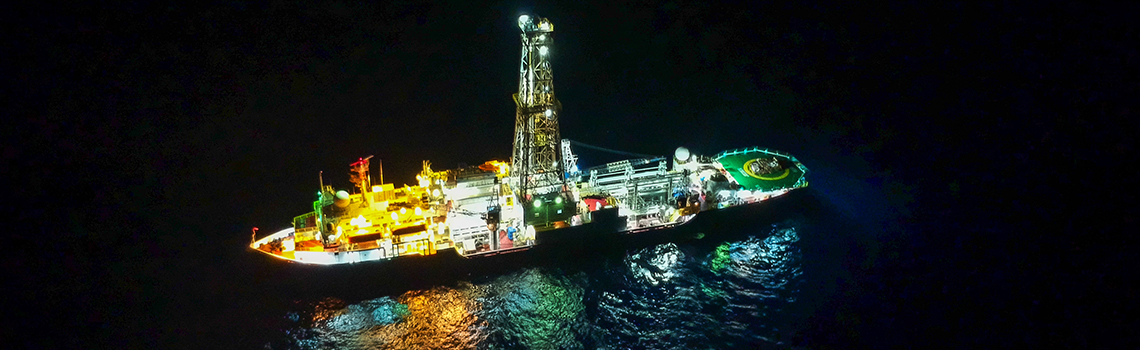
Expedition 398
JOIDES Resolution at night in the Aegean Sea
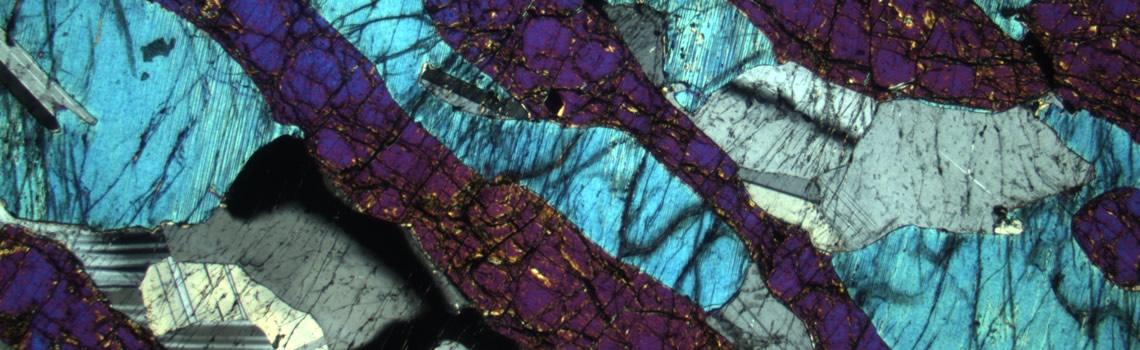
Expedition 305
Gabbronorite photomicrograph
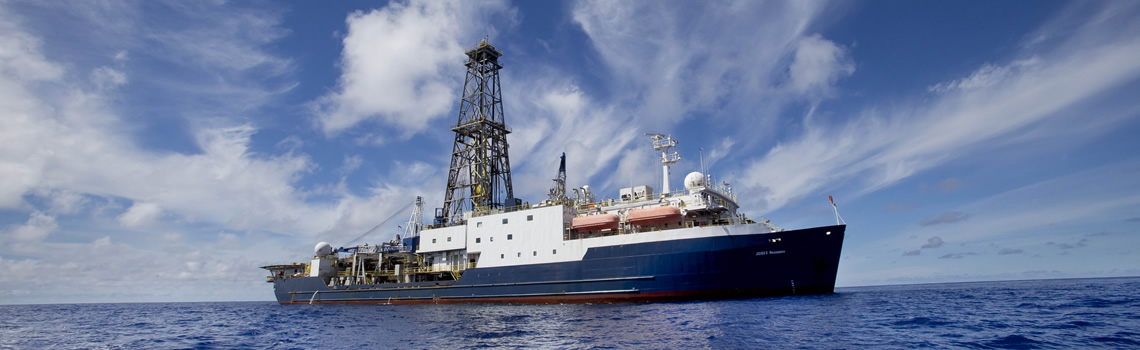
Expedition 352
JOIDES Resolution in the Philippine Sea

Expedition 344
Reentry cone deployment
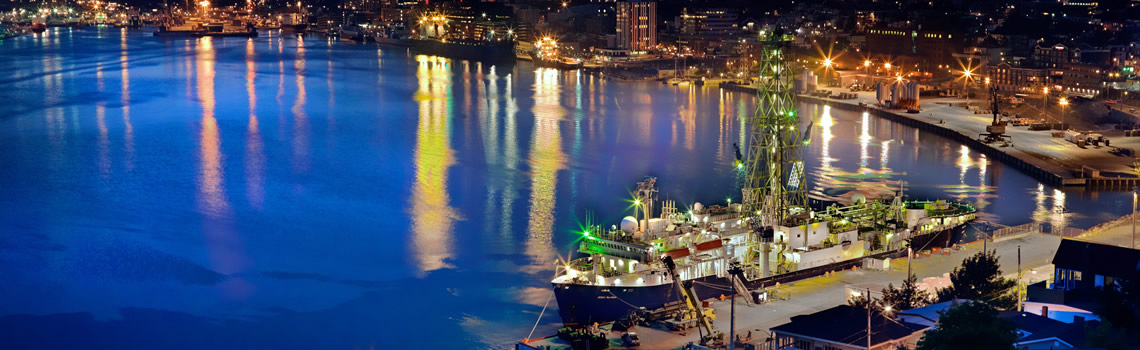
Expedition 303
JOIDES Resolution in St. John’s, Newfoundland
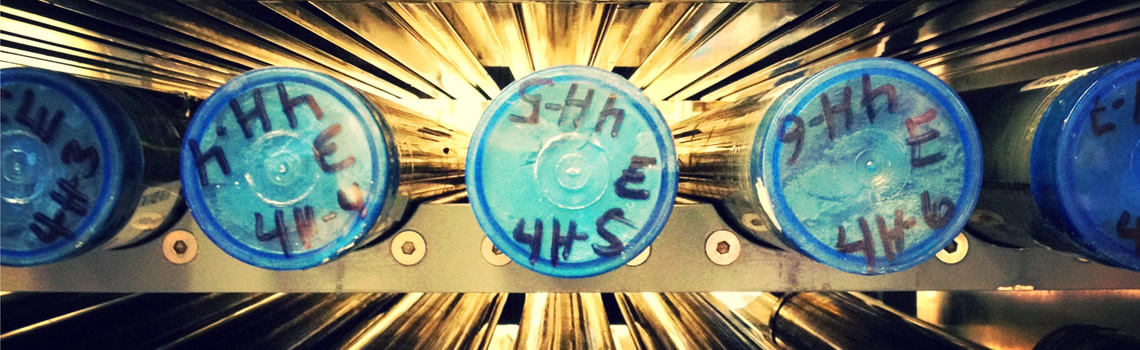
Expedition 346
Core sections in a storage rack
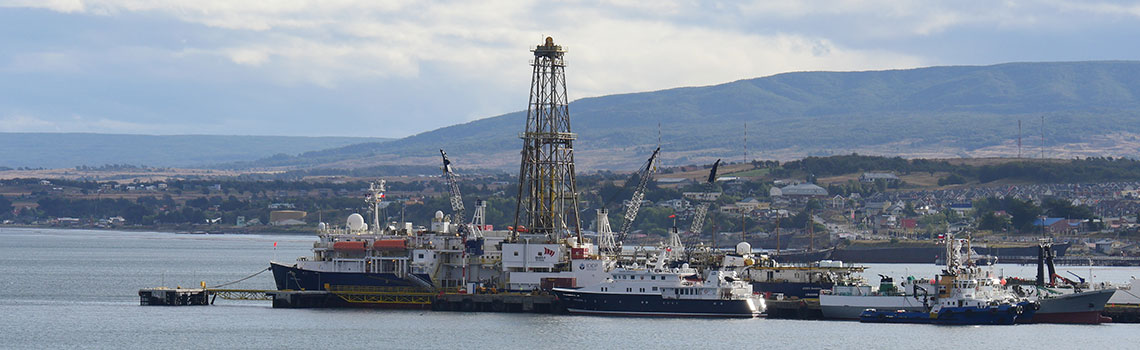
Expedition 379
JOIDES Resolution in Punta Arenas, Chile
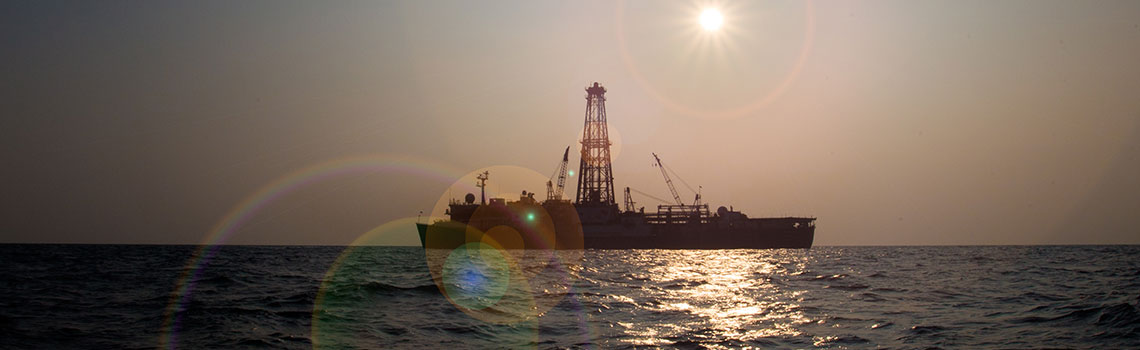
Expedition 353
JOIDES Resolution at sunrise in the Indian Ocean
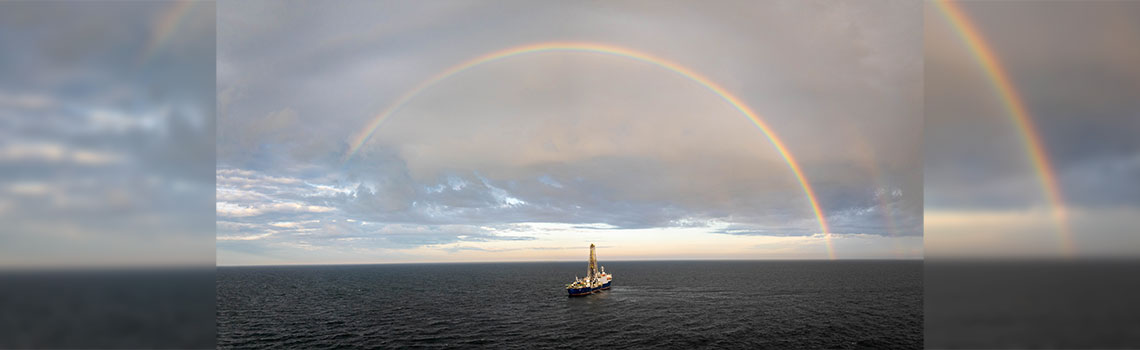
Expedition 403
JOIDES Resolution surrounded by a rainbow
Announcements
Scientific ocean drilling still exists in the U.S.!
The new Scientific Ocean Drilling Coordination Office (SODCO, @us_sciod) provides community support services and expedition planning for NSF Sub‑Seafloor Sampling Program (S3P) proposals.
The following publications are now available for download from the Zenodo IODP Community!
- Deep Sea Drilling Project Volumes 1–96
- Ocean Drilling Program Volumes 101–210
The 2026 Scientific Ocean Drilling Bibliographic Database and Publication Impact Report has been published (3 September 2026)
The Gulf Coast Repository (GCR) is open for business!
Request scientific ocean drilling samples from all programs, see the laboratories and services available, plan or attend a workshop, visit the facility, and more!
Acceptance of data reports continues
We are continuing to accept submissions of data reports based on analyses of samples from cores collected during IODP expeditions. Data reports generally contain tabular data set(s) and supporting graphics, but do not contain interpretation of results. Data reports are peer-reviewed and are included as chapters in the Expedition Research Results section of the Proceedings volume for a specified expedition. To submit a data report, visit the IODP Manuscript Submission and Review website. If you have any questions, please contact Jennifer Hertzberg.
What Is IODP?
The International Ocean Discovery Program (IODP) (2013–2024) was an international research collaboration that coordinated seagoing expeditions to study the history of the Earth recorded in sediments and rocks beneath the ocean floor. The JOIDES Resolution Science Operator (JRSO) operated the scientific drillship JOIDES Resolution on behalf of the National Science Foundation (NSF). With an international workforce and scientists with many different backgrounds and perspectives, the JRSO promoted a safe work environment, reflected in the JRSO Code of Conduct.
Since the demobilization of JOIDES Resolution, Gulf Coast Repository (GCR) has continued to preserve and facilitate the study of core samples collected by scientific ocean drilling. With 9,000 square feet of instrumented laboratories and 15,000 square feet of refrigerated space, the GCR stores and curates 151 kilometers of DSDP, ODP, and IODP cores from the Pacific Ocean, the Caribbean Sea and Gulf of Mexico, and the Southern Ocean on behalf of the NSF. The laboratories contain most of the instruments that were demobilized from JOIDES Resolution. Information about requesting samples for study can be found on the GCR website.
Our Vision
We are committed to exceeding the expectations of the scientific ocean drilling community by maximizing the science the JOIDES Resolution delivers.
News
News Stories See all news stories
- Arctic Ocean methane 'switch' that helped drive rapid global warming discovered
- Scientists Drill Record-Breaking Mantle Core And Make Unprecedented Geological Discoveries
- Earth's largest ocean current may be shifting north again
- 8 Million-Year-Old Sediment Reveals Surprising Climate Insights and Ocean Current Dynamics
- Discovery of Massive Ash Deposit in Aegean Sea Reshapes Greece's Volcanic History
- We drilled deep under the sea to learn more about mega-earthquakes and tsunamis
Follow @JRSO_IODP on X
News Releases See all news releases
- Research currents: Grad student wins prestigious Schlanger Ocean Drilling Fellowship
- Swansea volcanologist joins global deep-sea mission to uncover earthquake secrets
- New insights into the stability of the West Antarctic Ice Sheet (In German; read in English via Google Translate)
- Is the Circumpolar Current Shifting Back North?
- Small change, big impact
- Taking Science Education to the Seas With the 2025 School of Rock
Recent Publications
Scientific Prospectuses
- Expedition 405 Scientific Prospectus Addendum
- Expedition 389 Scientific Prospectus
- Expedition 405 Scientific Prospectus
Preliminary Reports
Proceedings volumes
Expedition Research Results
- Data report: biotite-bearing coronae surrounding olivine in gabbroic rocks from the Atlantis Massif, IODP Expeditions 304/305 and 399, Holes U1309D and U1601C
- Data report: porosity and sinking times of pumice clasts from IODP Expedition 398, south Aegean volcanic arc
- Data report: X-ray fluorescence core scanning of IODP Site U1623, Expedition 403, Eastern Fram Strait Paleo-Archive